
When Grief Becomes Trauma
Living Honestly in a Fractured World

Recently, my mom lost her lifelong best friend most unexpectedly. On her drive home, after lunch with my mom, she was involved in a head-on collision and suffered, what would turn out to be, life-ending injuries. She was 88. They were friends for over fifty years. The loss has really shaken up my mom. Understandably.
Our culture often understands grief and trauma as two separate things. Grief is what happens when we lose someone we love. Trauma results from experiencing something terrifying or life-threatening.
Sometimes, grief and trauma become deeply intertwined.
While serving in frontline outreach ministry, I would get death threats. Yes, people I was trying to help threatened to end my life. As I absorbed these repeated threats mentally, my body started keeping score physically.
Not every loss leads to trauma. Many people grieve profoundly without developing Post-Traumatic Stress Disorder (PTSD). Yet, there are losses so sudden, violent, painful, and so overwhelming that they leave wounds not only on our heart, but also on our mind and nervous system. They injure our soul. We find ourselves not only grieving who we lost, but carrying the trauma of how we lost them.
A spouse dies suddenly. A parent watches a child suffer through a long illness. Someone discovers a loved one after a suicide. A fatal accident, like the one I described above, happens without warning. It’s just another day, except it’s not.
One day, I had a young woman who frequented our outreach center thank me for always being kind to her and treating her with dignity. Two days later, she was found in a field with a gun by her side. She had taken her own life.
The loss itself is devastating, but the circumstances surrounding the loss become etched into the brain in ways that are difficult to escape.
Long after the funeral, intrusive memories remain. A sound triggers panic. A smell transports us back to a hospital room. A particular date or location unleashes overwhelming emotions.
We aren’t simply remembering. Our nervous system is reliving.
This is one reason trauma survivors often struggle when others encourage them to "move on." I’ve heard these comments after the murder trial of Karmelo Anthony. That’s not the way loss works. While grief naturally changes over time, trauma can keep the brain locked in survival mode. We don’t just move on. The loss maybe in the past, but our body continues responding as if the danger is still present. I’ve experienced this personally, being diagnosed with complex bereavement and PTSD in early 2025.
As Christians, this creates another layer of suffering for us. Many believers wonder why they are still struggling. After all, time has passed and life goes on, right? We begin to question our faith, our spiritual maturity, and even God's presence in our lives.
Family, Scripture never presents emotional suffering as evidence of weak faith. You won’t find it in your Bible.
God’s Word is filled with people who carried grief for long seasons. David poured out his anguish in the Psalms. Elijah collapsed in exhaustion and despair. Jeremiah became known as the weeping prophet. Even our Lord Jesus stood before the tomb of Lazarus and wept.
God does not shame us for our grief.
Nor does He abandon us when grief becomes complicated by trauma.
Psalm 34:18 reminds us:
"The Lord is near to the brokenhearted and saves the crushed in spirit."
The verse does not promise that the brokenhearted will never suffer. It promises God's nearness in the midst of our suffering.
Trauma crushes our spirit.
Healing from trauma and grief is rarely quick or straightforward. Some wounds heal in months. Others take years. Some leave scars that remain throughout our earthly lives.
Our scars are not signs of failure.
They are evidence that we survived. Hurt pays homage to the fact we loved. No love, no pain. Know love, know pain.
Friend, if you are carrying both grief and trauma, be patient with yourself (Yes, I am speaking to myself, too). The tears you shed today do not mean you are moving backward. The triggers you experience do not mean you lack faith. The difficult memories you wrestle with do not mean God has forgotten you.
Listen, there are words of comfort and encouragement that people offered me that I am only just now beginning to receive, let alone understand.
Healing is less like flipping a switch and more like walking a long and winding road.
And on that road, Christ walks with us.
He is the Man of Sorrows, acquainted with grief. Jesus understands loss. He understands suffering. And He meets us in both.
Sometimes the most faithful thing we can do is not to pretend we are healed, but to bring our wounds before the One who heals.
The Lord is near to the brokenhearted.
That remains true whether our wounds come from grief, trauma, or both.
Abundant Blessings,
Rainer Bantau
Visit my blog The Devotional Guy™
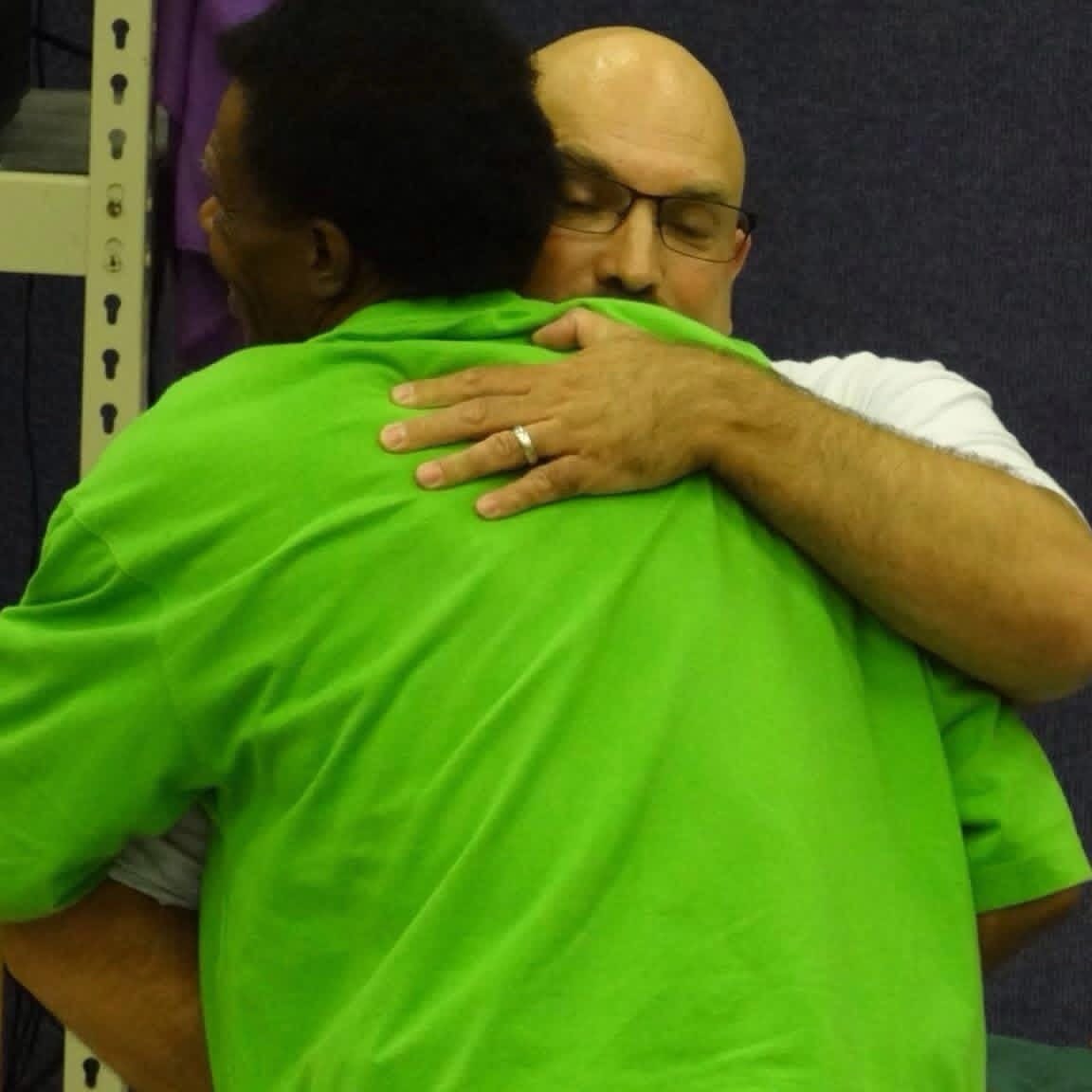
Thanks for sharing Rainer - great topic. I hope your mom can find comfort in your message. Give her an extra hug next time you see her. Much love brother.